You are here: Home | For businesses | Industries | Chemical industry
Biobased chemical industry in Delfzijl
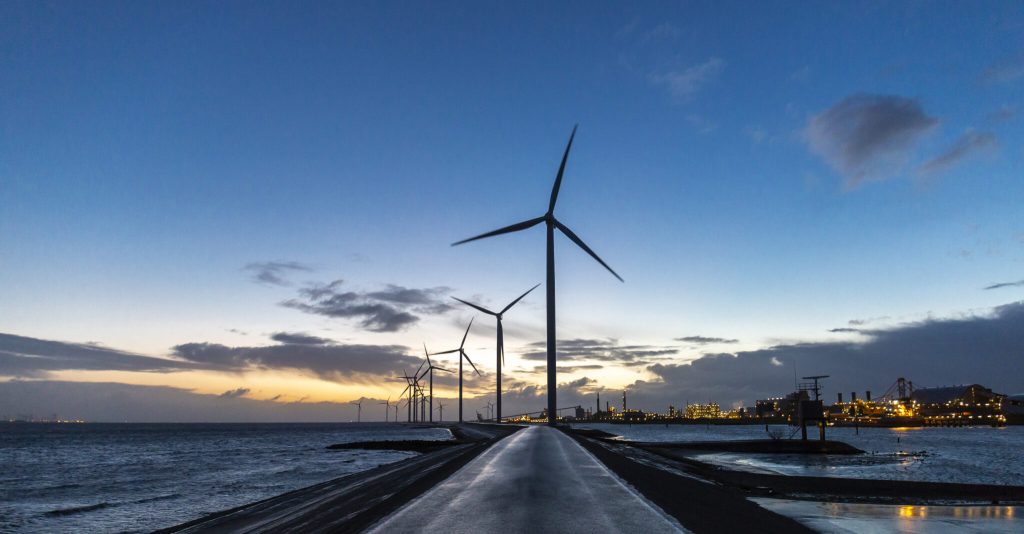
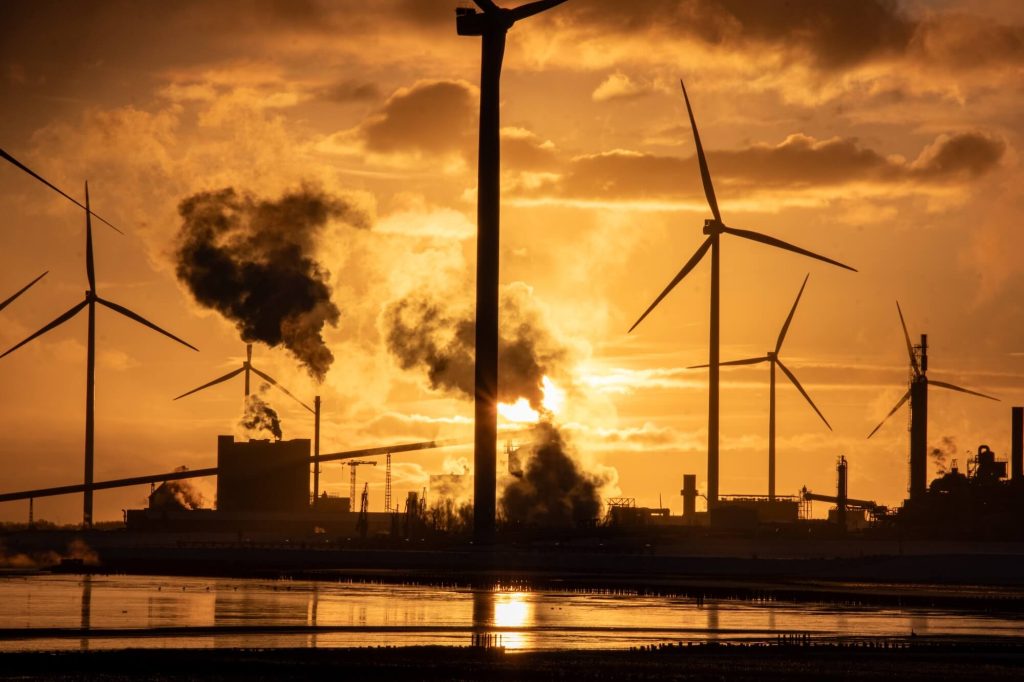
Around 15% of all the chemical products that are produced in the Netherlands come from Delfzijl. After the discovery of gas and salt in the region in the 1950s, Delfzijl became an industrial port with a strong chemical cluster. The chemical companies are linked in a chain and use each other’s products. With the green energy mix provided by wind turbines, solar panels, biomass and hydropower, and the opportunities offered by the agricultural hinterland, Delfzijl is becoming the biobased location in northwest Europe.
Chemical Park Delfzijl
Chemical Park Delfzijl is a highly integrated, dynamic, and sustainable chain of businesses that purchase and process each other’s top-quality products and services. With these strong interrelated client-supplier relationships, the ample availability of natural raw materials, and good logistics connections, Chemical Park Delfzijl has become an advanced chain of national importance.
High-tech processes
The shared basis is in extracting sustainable raw materials, such as salt and natural gas. In high-tech processes, these raw materials are upgraded to chlorine, hydrogen, sodium hydroxide, and green methanol, which in turn are the raw materials and auxiliary substances for many applications in the area of food, pharmaceuticals, cosmetics, textiles, paper, coatings, engine oils, detergents, and biofuels.
Modern factories, professional services, innovative factories and pilot plants, and challenging initiatives in the area of electrification, circular chemistry and hydrogen, come together in a fascinating world of chemistry and technology. More than a thousand highly-skilled professionals control and support complex processes worth more than three billion euros in a safe way.
New chemistry
In Delfzijl, the focus is fully on making the chemical sector greener and more sustainable. The agricultural sector is strongly represented in the region with various world players who play an important role in the transition from fossil to biobased. It is our ambition to be the first CO2-neutral chemical cluster in the Netherlands with a minimum burden on the environment.
The chemical cluster in Delfzijl is in an excellent position to play a key role in the sustainable chemical industry and energy production of the future. However, long-term success will depend on continuous investments in technology, sustainability, and cooperation between various stakeholders. Biobased raw materials are an essential part in the final picture of a sustainable society. To make products from renewable raw materials with sustainable energy, there needs to be a switch from fossil to biobased.
Chemport Europe
Chemport Europe is the name of the green chemistry ecosystem in the northern Netherlands. It consists of two integrated chemical clusters in Delfzijl and Emmen, a large knowledge cluster around the universities in Groningen, and recycling expertise around Heerenveen. The ambition of Chemport is clear: in 2030 we are in the vanguard of green chemistry in Europe. We achieve that together.
The power of Chemport Europe
What makes this ecosystem so interesting? The northern Netherlands brings together all the factors that are relevant to making the chemical industry more sustainable:
This makes Chemport Europe the place to be for frontrunners in the chemical industry.
Chemport Innovation Center
As a promoter of green chemistry, the Chemport Innovation Center in Delfzijl helps scale-ups, chemical, and innovative companies to advance their sustainable ideas and technologies.
Chemport Innovation Center, scaling up green chemistry
Chemport Innovation Center (CIC) is actively involved in sustainable innovation in the Chemport region. It has a well-equipped location in the middle of the Delfzijl industrial area where startups and scale-ups can rent space to test their innovations in the demonstration phase (TRL-6/7/8 level) safely, quickly, and efficiently.
CIC has the networks, knowledge, and facilities needed to successfully guide the development to the final market launch phase (TRL-9 level). This is the final phase in which the technology has become marketable, and the scale-up is ready to settle in the Delfzijl/Eemshaven region.
Why CIC?
Industry Forum Northern Netherlands (INN)
In addition to these energy-intensive companies, the Industry Forum Northern Netherlands also represents governments and NGOs in the provinces of Groningen and Drenthe. As well as integrated industrial clusters in Eemshaven, Delfzijl and Emmen, it also includes large production locations outside clusters. The region jointly presents itself as Chemport Europe. The industry and the area are versatile with the presence of two seaports, chemical and basic chemical industry, plastic-fibre industry, agro-food, data centres, recycling, metal, and biorefinery.
The northern Netherlands also plays a major role in large-scale energy generation, energy distribution, and offshore wind logistics. The area has an extensive underground network of pipes and cables, and is an intercontinental hub for natural gas (‘gas roundabout’), electricity, and data.
Achieve Dutch climate targets
The Industry Forum Northern Netherlands (INN) is one of six industry forums, where industrial players involved make a specific contribution, at the request of the government, to changes that are required to achieve Dutch climate targets. With a large number of energy-intensive businesses, work is carried out on plans and commitment to far-reaching sustainability of industry. To achieve the ambitions of the UN Paris Climate Accord and the targets of the Dutch Climate Accord, we need to put all hands to the pump.
For industry this means:
Industry Forum for the Northern Netherlands reports
By now, a number of the above topics have been detailed in reports:
Contact us
For questions or more information about chemical industry
Gerard ten Berge
Business manager chemical industry