You are here: Home | For the local community | History | Delfzijl
History of Delfzijl
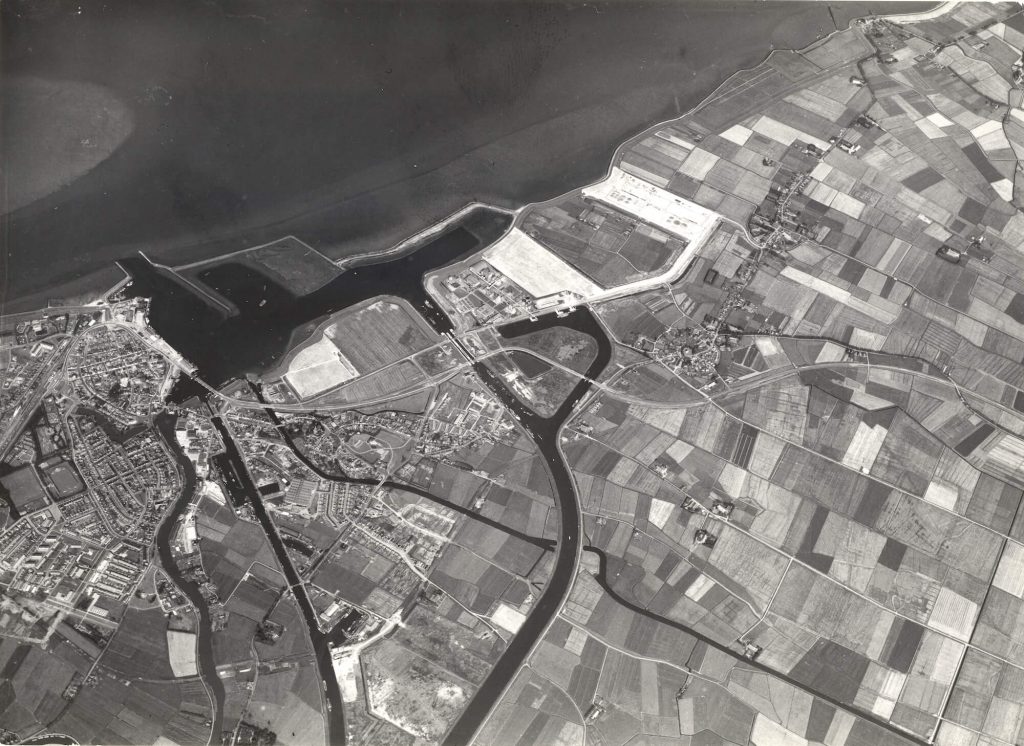
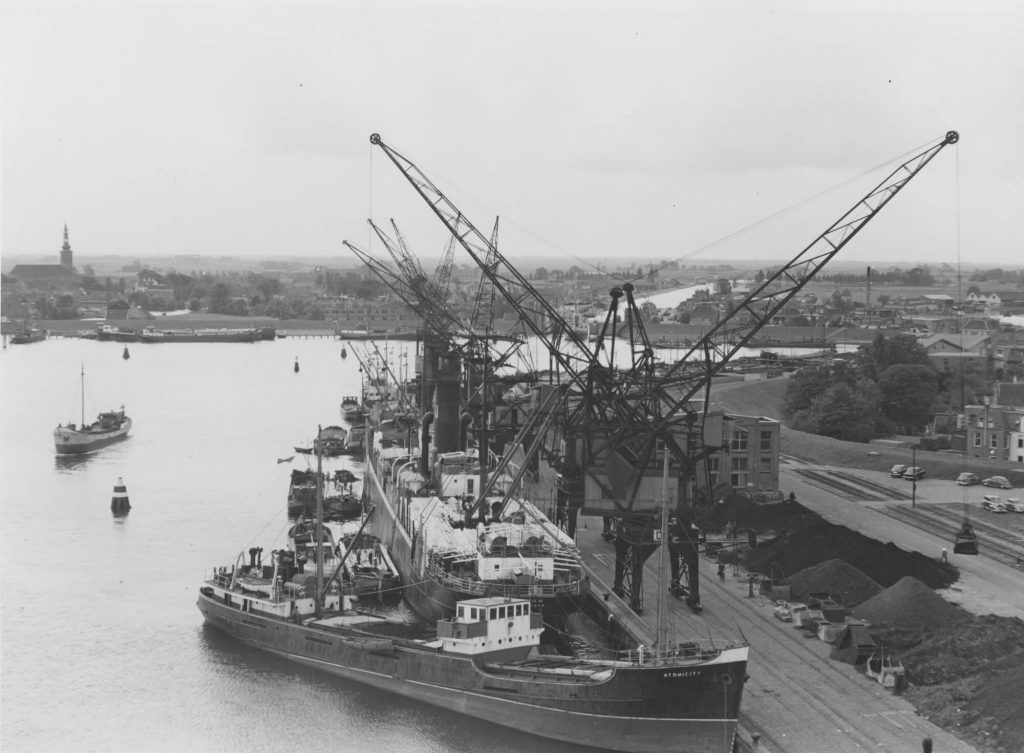
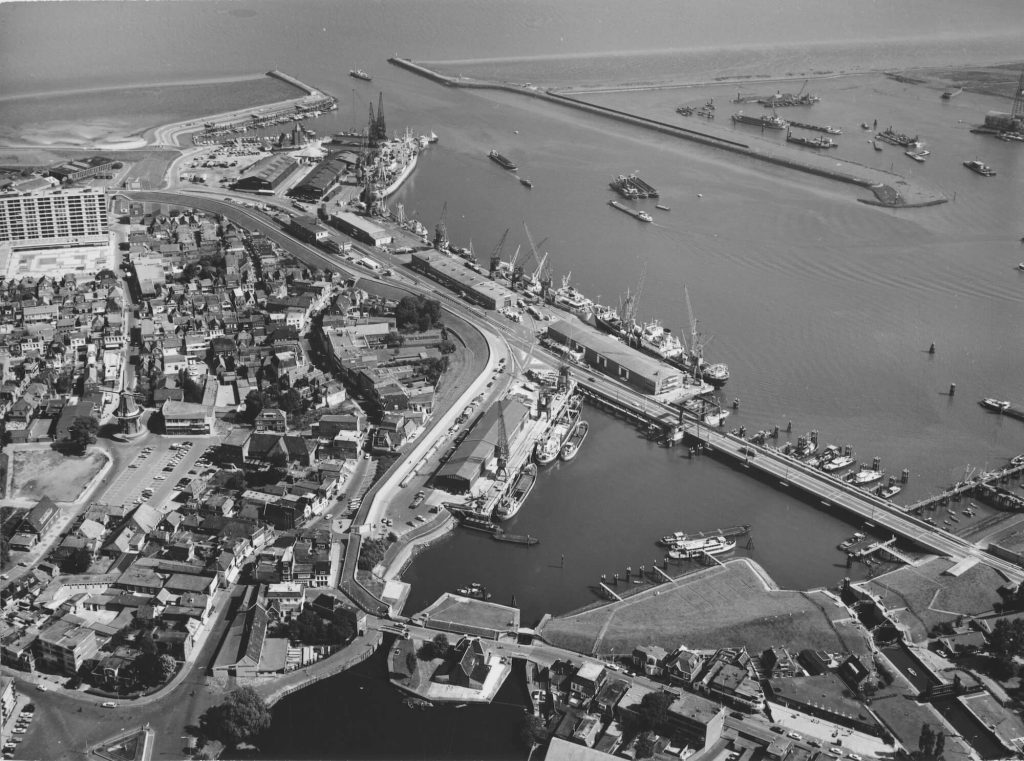
The port city of Delfzijl has a rich history that started in the thirteenth century. Over the next few centuries, Delfzijl developed into a strong and vast port area. In the post-war years, Delfzijl went through a transformation: from a small city it turned into an industrial centre.
This transformation was inspired by the discovery of enormous underground salt deposits near Winschoten in 1951. A soda factory, for its processing, was located in Delfzijl. Wastewater could go straight into the Eems, and the end product could be shipped out easily via the port. In August 1958, the first cargo of soda left by ship on the coaster Bellatrix to Abö in Finland.
A dream of welfare and progress started with the opening of the Koninklijke Nederlandse Soda Industrie (predecessor of Akzo Nobel) in 1958. After the discovery of natural gas at Slochteren in 1959, the industrialisation really started to accelerate. Cheap energy attracted other industries, such as the aluminium smelter Aldel.
A city with more than a hundred thousand residents
Workers moved to the city on the Eems from all over the country. Special bus tours were organised along the many new construction projects: moving to the north meant having work and housing
Policymakers dreamed that Delfzijl would evolve into a city with more than a hundred thousand residents. That dream did not quite come true: the oil crisis of 1973 threw a spanner in the works and growth stagnated. The downside of the industrialisation was the demolition of the villages of Weiwerd, Heveskes, and Oterdum. They had to make way for industrial parks.
In the meantime the area matured and many businesses located there. There is also a great deal of interest from new businesses that wish to locate in the industrial area of Delfzijl. Circulands, the new name for the Oosterhorn-Zuid area, offers businesses the opportunity of fully circular operations and is a blueprint for an industrial park of the future. Circulands also celebrates the cultural history of the area. On Kloosterlaan, there will be an area with references to the cultural history.
Cultural-historical narratives
Groningen Seaports believes it is important that this history is not forgotten and, together with historian Martin Hillenga, it has worked on gathering the cultural-historical narratives over the past few years. Studio Paul & Albert has turned this into a website.