You are here: Home | For businesses | Industries | Hydrogen
Hydrogen
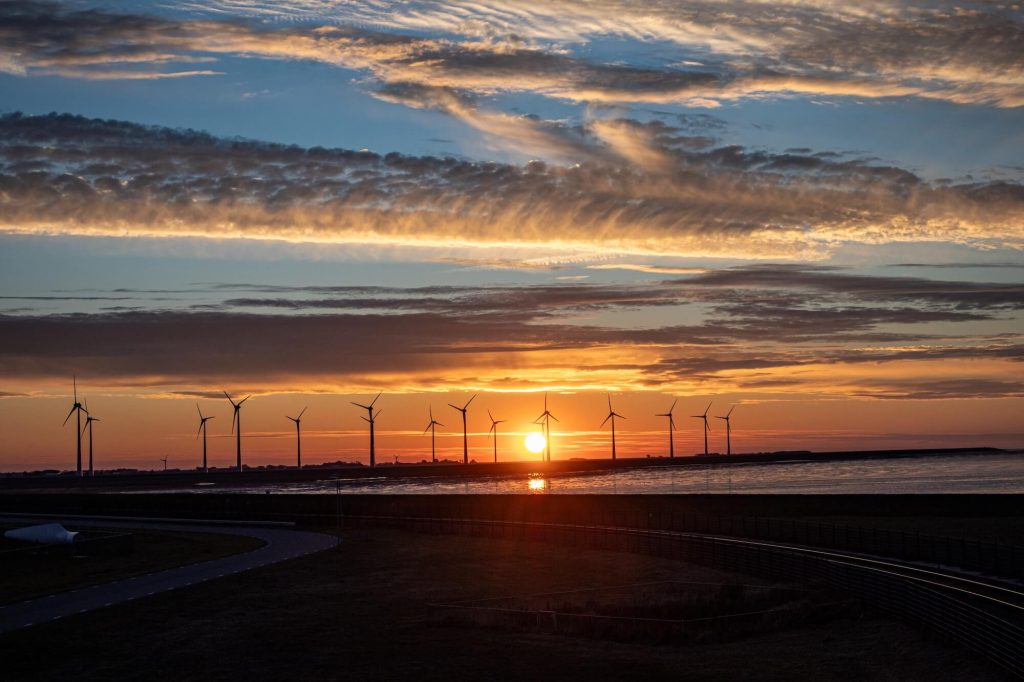
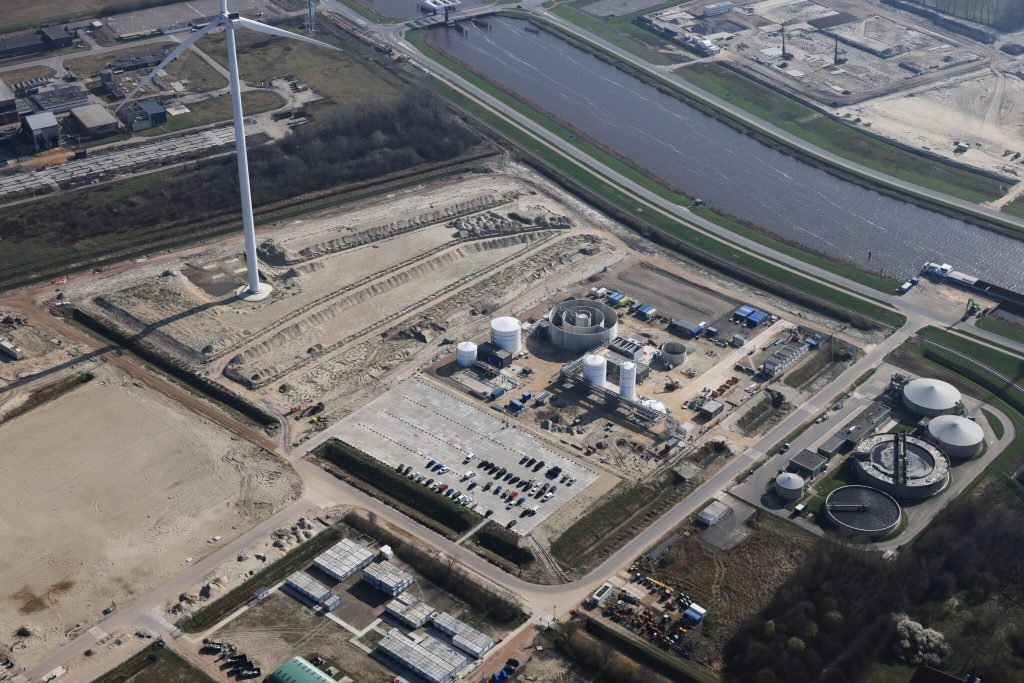
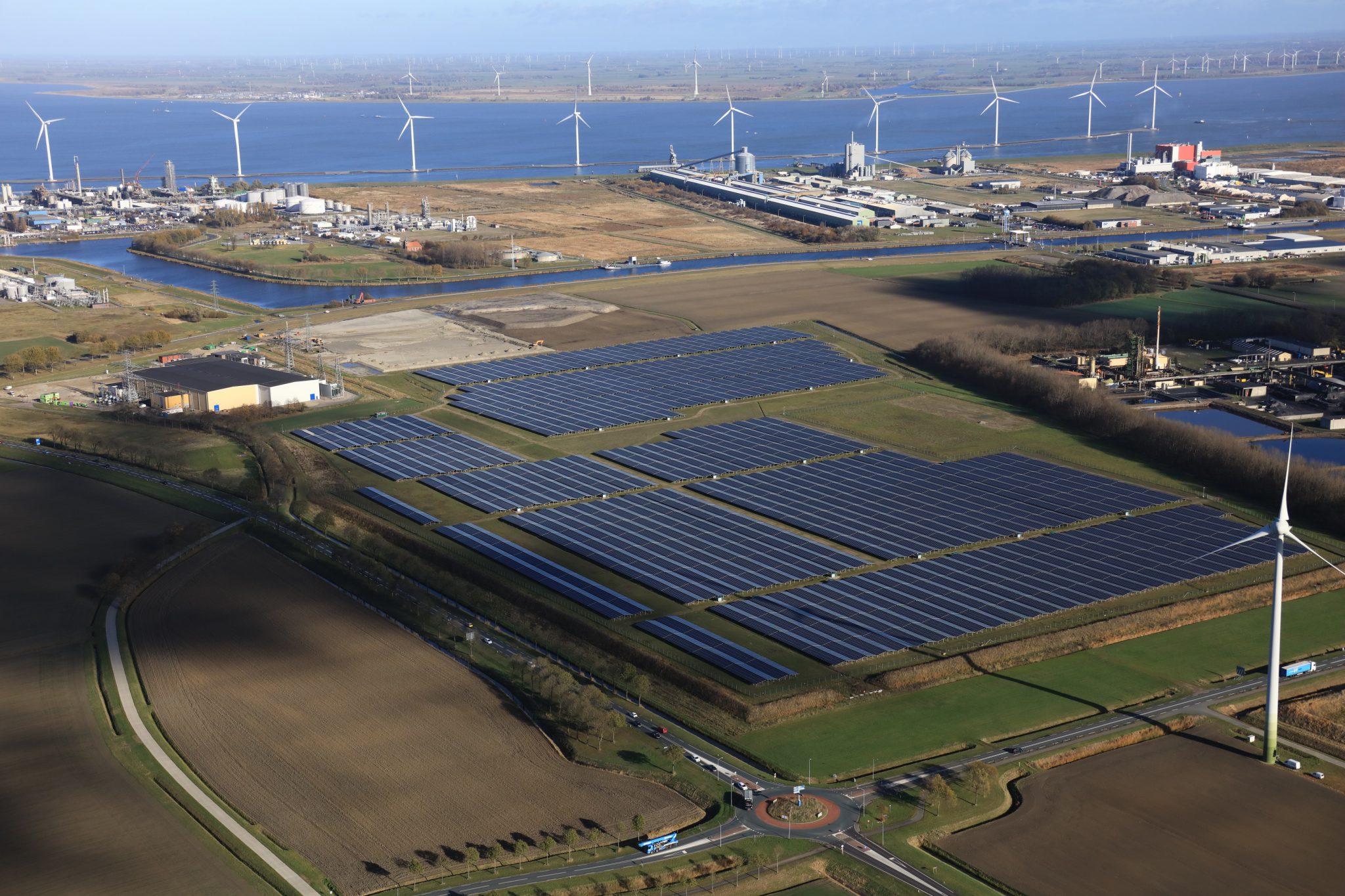
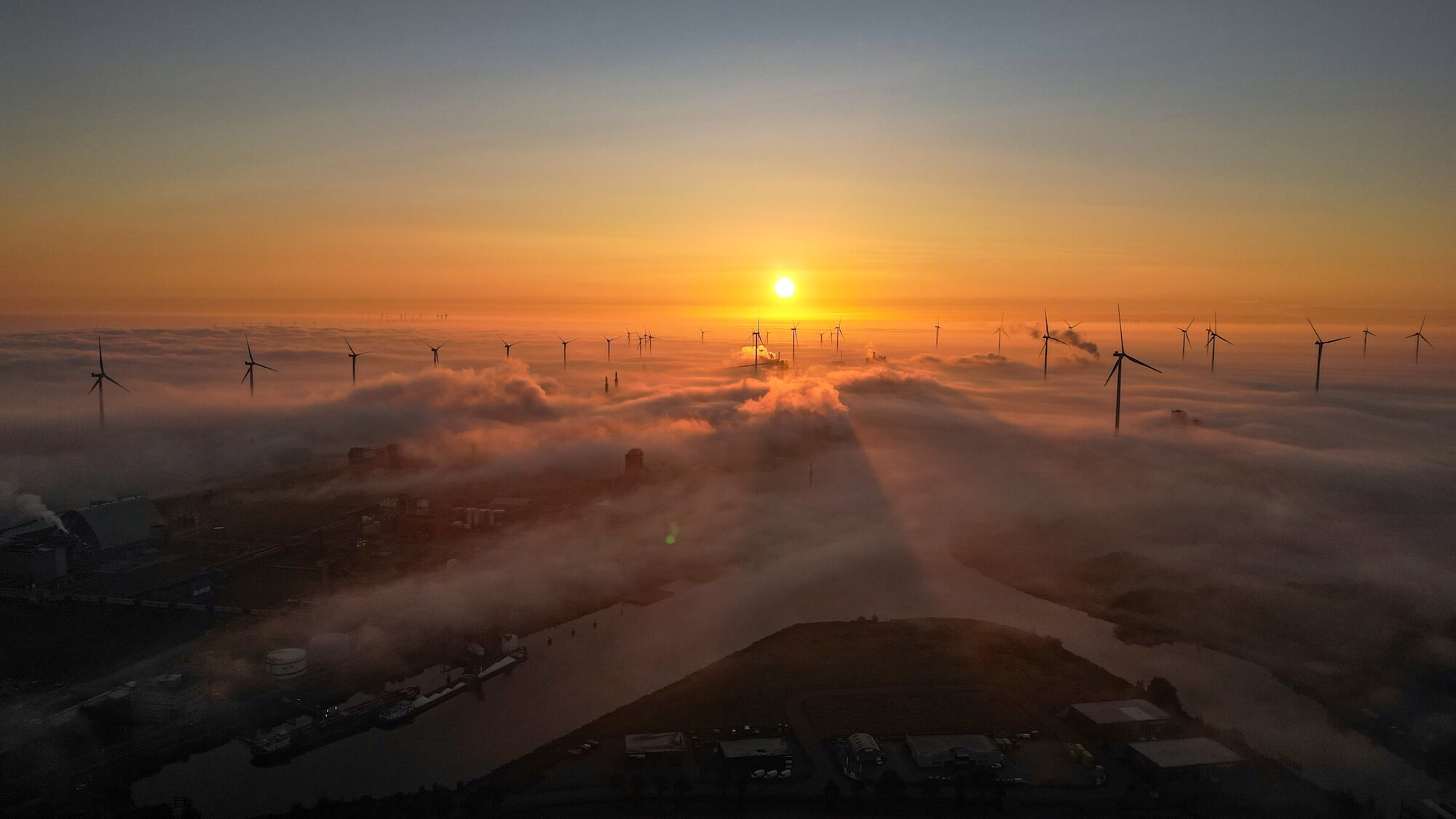
Groningen Seaports works hard for scaling up the production of green hydrogen. Dozens of hydrogen projects are already under development in the northern Netherlands, many of which are planned in the ports of Delfzijl and Eemshaven.
Examples include the construction of electrolysers and hydrogen plants, the creation of specific port facilities, the development of a plastic pipe system (‘backbone’), but also the use of hydrogen in public transport and the development of hydrogen refuelling stations. We are also seeing a pressing need for new applications in the hydrogen ecosystem. Groningen Seaports is therefore fully committed to innovation and offers space and facilities for test centres, startups, scale-ups, pilot and demo plants.
Unique hydrogen ecosystem
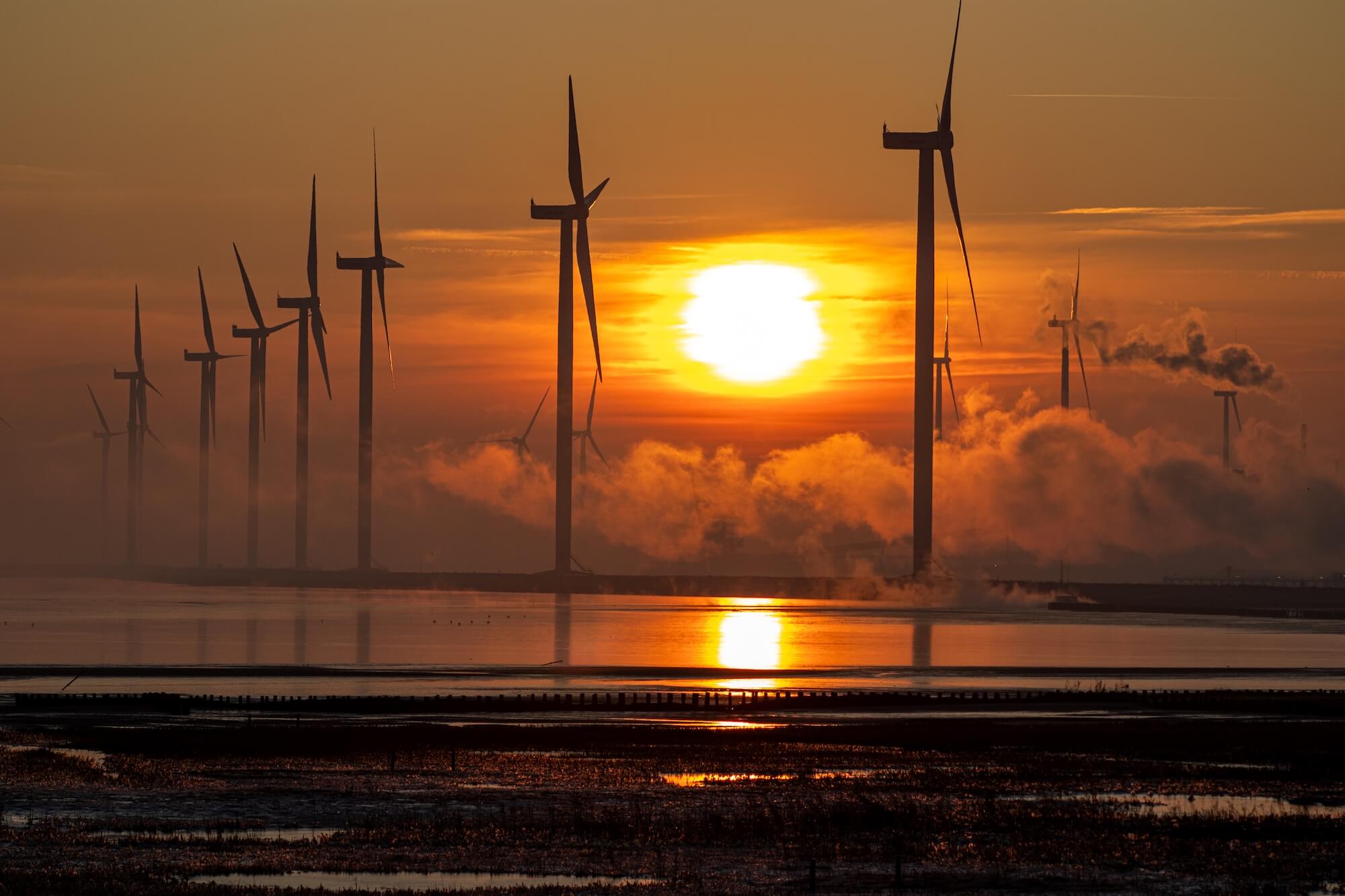
Over the past years, the northern Netherlands has focused on developing a hydrogen ecosystem. It has received European recognition, and is now regarded as the leading Hydrogen Valley in Europe: a fully fledged ecosystem of green hydrogen, from production and transport to use in industry, mobility, and the developed environment. The unique characteristics of the northern Netherlands contribute: a large potential of large-scale wind power, sufficient production sites, an existing gas infrastructure, access to the market, and knowledge and experience of gas transport and trade.
At a glance: why the northern Netherlands?
Hydrogen import
Making the Dutch economy and energy provision more sustainable requires domestic and regional production as well as hydrogen import. It enables the Netherlands to retain and strengthen its current position as the northwest European hub for the import and transit of fuels and raw materials. The Netherlands has an excellent starting position, but has to achieve this ambition in a global playing field that changes rapidly as a result of the energy transition. There are also many uncertainties about the markets and technologies related to hydrogen. Eemshaven has the ambition and specific plans to produce and import hydrogen. Gasunie and Vopak are together studying the possibilities to make the existing LNG terminal in Eemshaven suitable as an import terminal for hydrogen.
NorthGrid
NorthGrid is the driver and leader of an initiative to kick-start the improved sustainability of industry in the northern Netherlands. Together with the members of the advisory council, NorthGrid works on creating a pipe bundle that will shortly (by the end of 2026) connect Eemshaven with the Chemical Park Delfzijl.
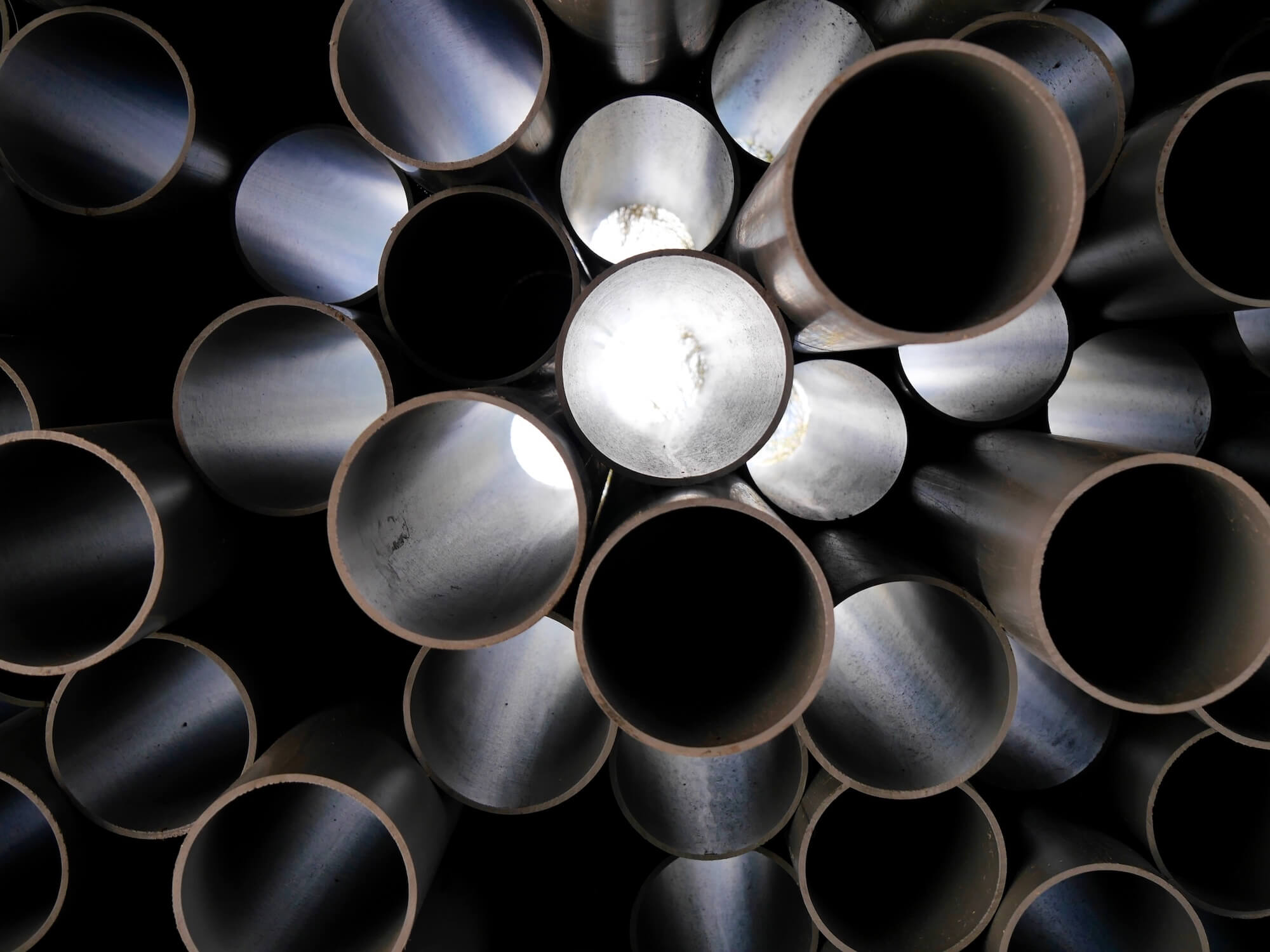
This pipe bundle contains 2 relatively small pipes (15 cm diameter) that will be low-pressure pipes (< 16 bar). The idea is for these pipes to transport hydrogen to start with. Later – when the national hydrogen grid is complete – these pipes can be used to transport different products. This creates circular chains between the two regions for the benefit of making this region even greener.
Plastic hydrogen pipe
Together with the company Pipelife Soluforce, Groningen Seaports developed a plastic pipe for transporting hydrogen. This is unique in the world of hydrogen transport and a world first.
As quality and safe use of this pipe are essential to transporting hydrogen, Kiwa tested and approved the pipe. Kiwa issued the KIWA Covenant certificate on Wednesday 26 June 2019 during the opening of Hystock Zuidwending, where King Willem-Alexander performed the opening and put his signature on a piece of the hydrogen pipe. Pipelife Soluforce works closely together with Groningen Seaports.
HyNorth
HyNorth is all about the north as a frontrunner of the hydrogen economy. We are there for companies, knowledge institutions, governments, and other hydrogen stakeholders in the Northern Netherlands.
Setting up a hydrogen economy is something no one can do alone. The challenges faced by an individual business are complex and time-consuming. HyNorth will be responding to this by acting as the supply chain director, supported by the regional business community, governments, and knowledge institutes, to develop hydrogen chains in the northern Netherlands.
What hydrogen initiatives are there in the northern Netherlands? Which parties are involved? How is the hydrogen ecosystem developing in the northern Netherlands? These are questions HyNorth can help with. Our active portfolio management activities enable us to share the latest insights and developments in the field of hydrogen in the northern Netherlands.
Hydrogen for shore power
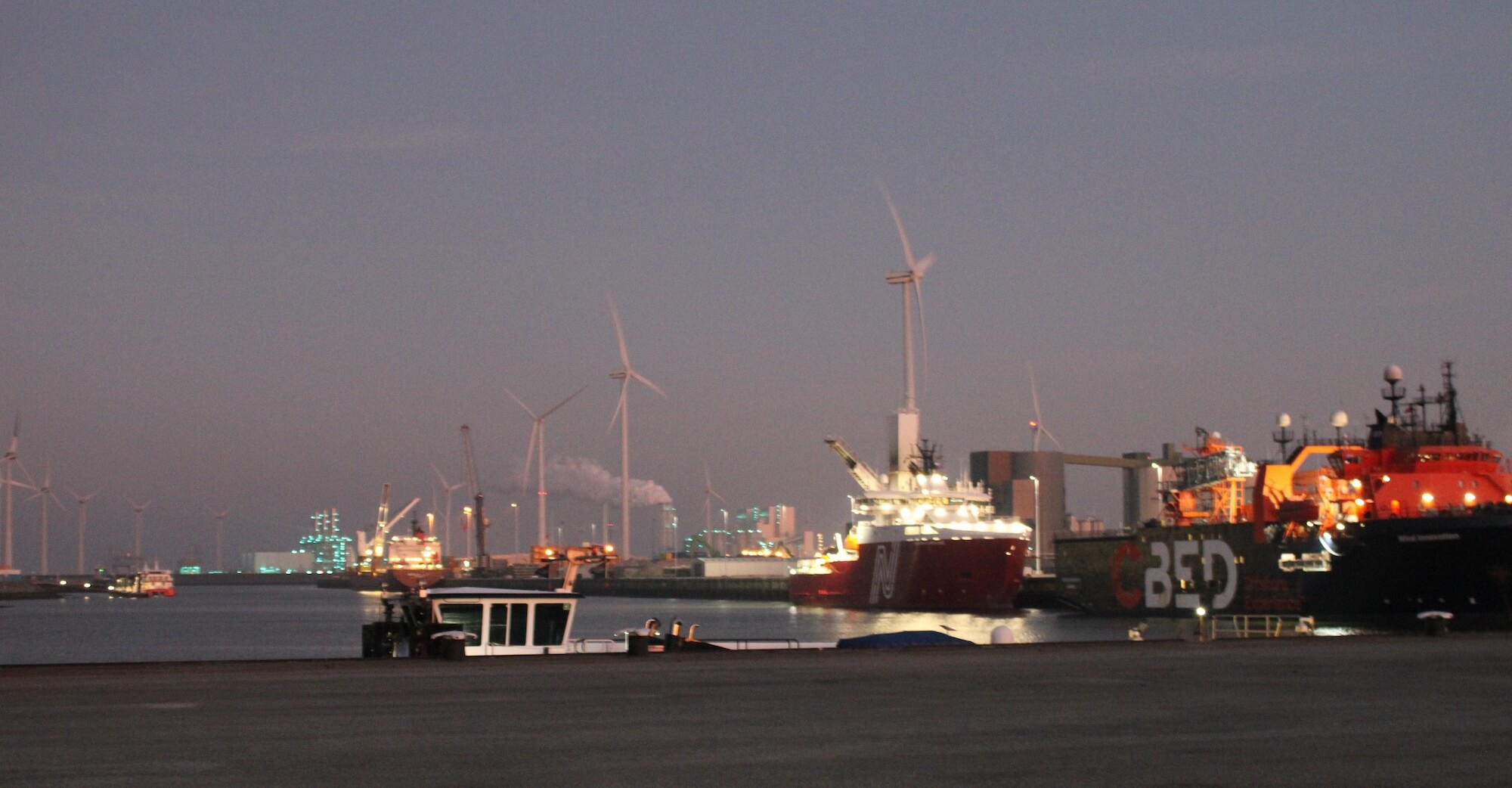
Groningen Seaports is involved in a project in which a hydrogen-based portable fuel-cell generator will be designed and tested to supply shore power in the port of Delfzijl and Eemshaven. As well as Groningen Seaports, Port of Den Helder and Port of Harlingen are also working on this project.
The technology will be developed and applied by Eekels Technology, Nedstack Fuel Cell Technology and Bredenoord, with support from FME. This project will prevent carbon and nitrogen emissions and noise nuisance. The ship’s engines can be shut down as soon as a ship is moored because electricity required for the hotel function can be supplied via a portable fuel-cell generator. The portable fuel-cell generator, in addition to being used as a portable shore-based power unit, is ultimately expected to meet the temporary demand for electricity at construction sites and events, for example. One of the investors in the ‘hydrogen for shore power’ project is the Wadden Fund. This forms part of an extensive investment programme in making shipping on the Wadden Sea more sustainable under the name Green Shipping.
H2 hub Delfzijl
Sustainable energy plays an increasingly large role in the energy transition. Hydrogen plays a key role. The H2 Hub in Delfzijl is a crucial link in the production, storage, and distribution of green hydrogen. The H2 Hub in Delfzijl is an innovative facility that is focused on purifying and compressing green hydrogen. With a capacity of 4,000 kg hydrogen per day, this hub has a key role in the distribution to the various purchasers. Hydrogen that is released in industrial processes, such as at Nobian, is no longer wasted but captured, stored, and transported to companies that can use it as a clean source of energy.
Delfzijl is a strategic location for the hydrogen industry. The presence of chemical companies that produce hydrogen as a byproduct makes it a logical choice for the H2 Hub. The region also has a well-developed infrastructure, ensuring that hydrogen transport to other parts of the Netherlands is efficient and sustainable. The H2 Hub in Delfzijl is developed and operated by Green Planet.
Hydrogen backbone Delfzijl
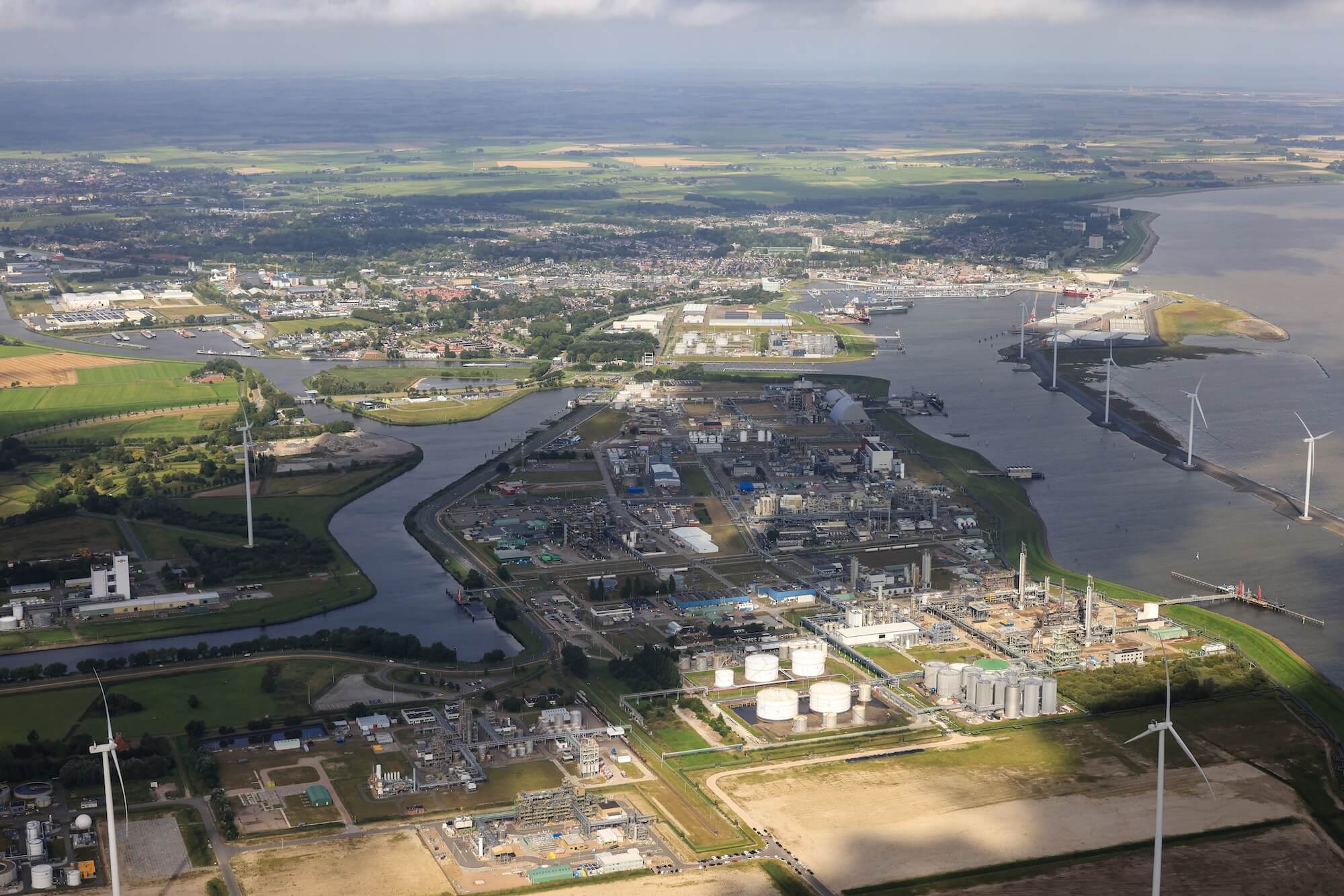
Hydrogen (H2) offers a solution to fluctuations in the supply of renewable energy, which is dependent on sun and wind. At Chemiepark Delfzijl the demand for hydrogen is rising, both from established companies and companies considering locating at the Delfzijl industrial park. The capacity of Nobian’s existing H2 production is not sufficient to meet this demand. Together with Gasunie, Nobian is developing a 20 MW electrolyser (Djewels 1) to expand the production capacity. Groningen Seaports is actively involved in this and is responsible for the pipeline system that will transport this H2 within the Chemiepark.
Together with Soluforce, Groningen Seaports has developed a plastic hydrogen pipeline that could significantly reduce the costs of transporting hydrogen. The planned hydrogen infrastructure route initially runs from the newly built hydrogen plant Djewels 1 on the Nobian site, parallel to the dyke to BioMCN. A facility will be built near Teijin for a future connection, and the end of the pipeline will also be built in such a way that it can easily be extended in the future. Concrete plans for this are already being made with the construction of a second electrolyser, the arrival of a sustainable kerosene factory (SkyNRG), the development of the Heveskes business park and the area south of the Oosterhornkanaal. The hydrogen backbone will be expanded in phases so that all these areas can be connected to each other and all the players at Chemiepark Delfzijl can make optimum use of the available H2.
Hydrogen
refuelling station Delfzijl
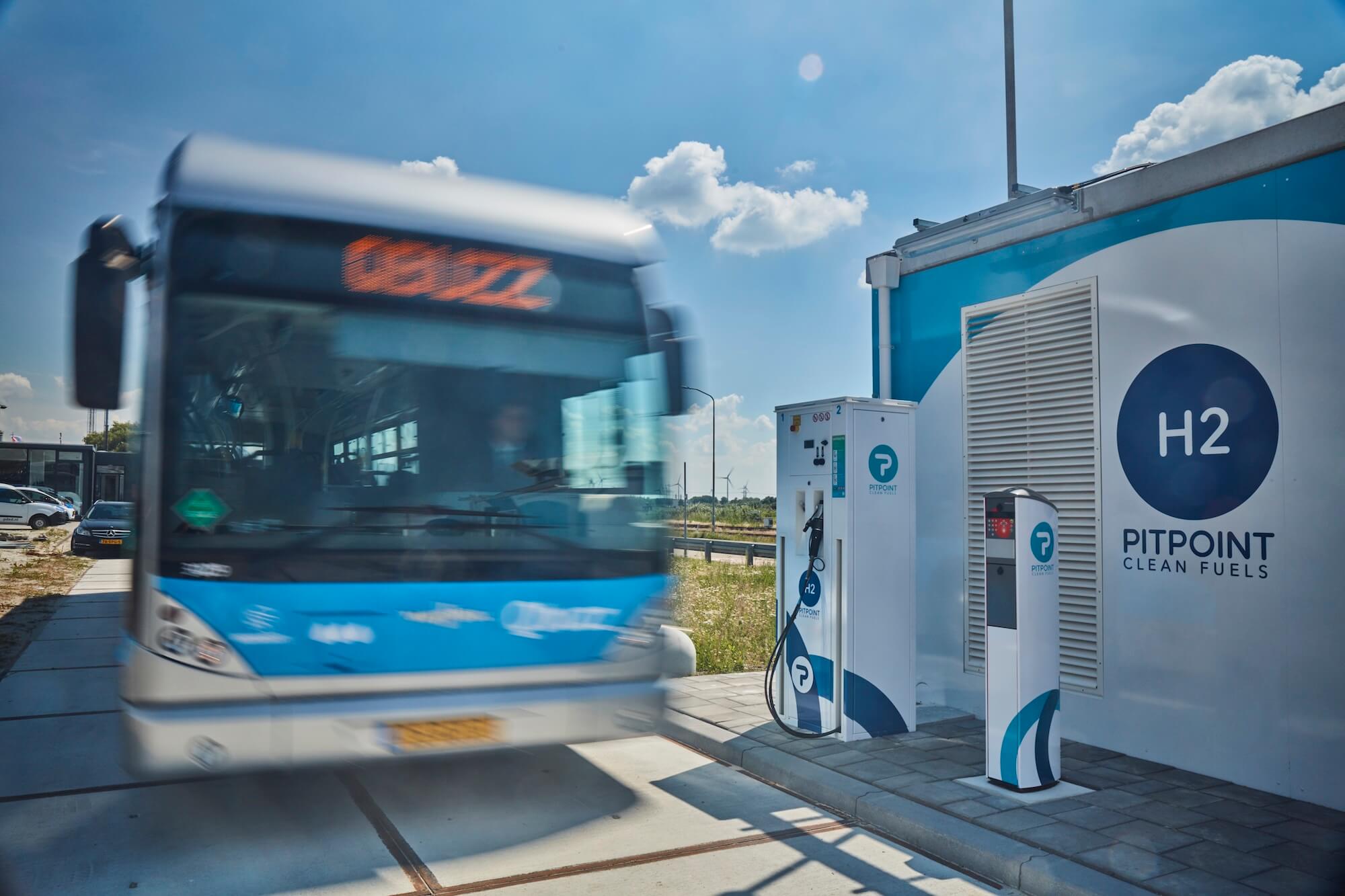
In 2014, the Groningen/Drenthe region received a subsidy from the Dutch government to have two hydrogen buses in operation. The region has a factory where hydrogen is released as a residual product, which can be used in regional bus transport. A public-private consortium asked TotalEnergies (then PitPoint) to design, build, maintain, and operate a cost-effective hydrogen refuelling station.
The hydrogen is a residual product from the chemical company Nouryon, formerly part of AkzoNobel. To make it possible to drive on hydrogen, a public-private consortium was set up with the Ministry of Infrastructure and Water Management, the Groningen provincial executive, the Groningen-Drenthe public transport office, Qbuzz, AkzoNobel, and Groningen Seaports.
This pilot project serves as a test case for having buses drive on hydrogen. Subsequently, the project joined up with the European High V.LO City programme, which is co-financed by Fuel Cells and Hydrogen Joint Undertaking (FCH-JU). This programme stimulates the accelerated introduction of hydrogen buses. The H2 station in Delfzijl has been operational since early 2018, and the two hydrogen buses are used by Qbuzz in their service schedule.
Contact us
For questions or more information about hydrogen

Gerwin Mennega
Business manager energy, data centres & hydrogen