You are here: Home | For the local community | Nature
Nature
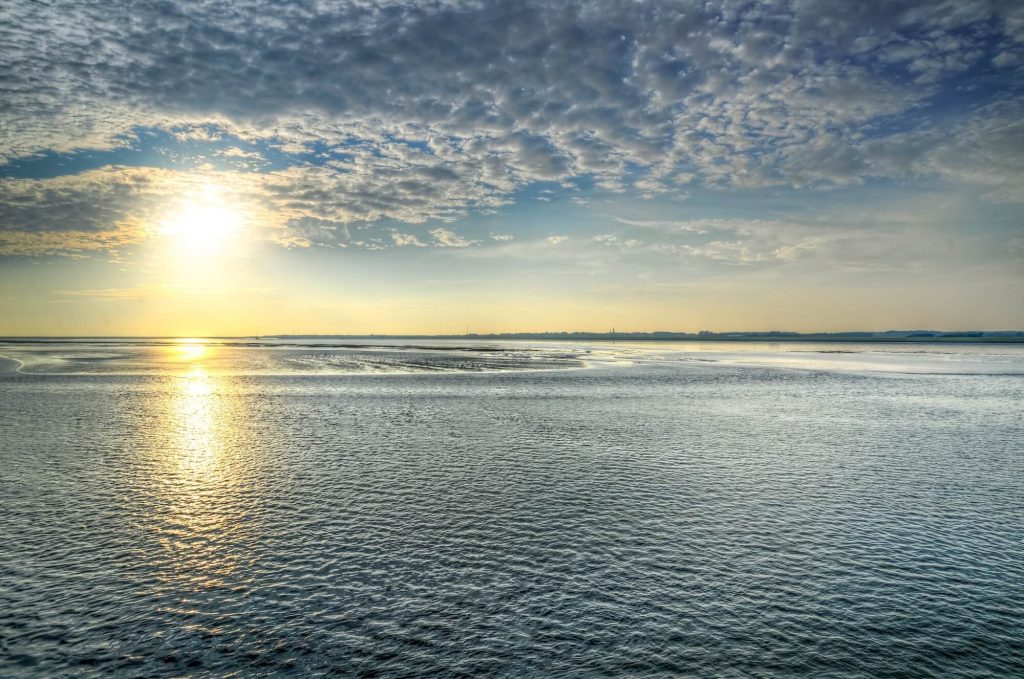
In a world heritage area, there is ample attention to nature in the ports. It will go without saying that in view of the exceptional location on the Wadden Sea World Heritage Site, there is plenty of attention to nature in the ports.
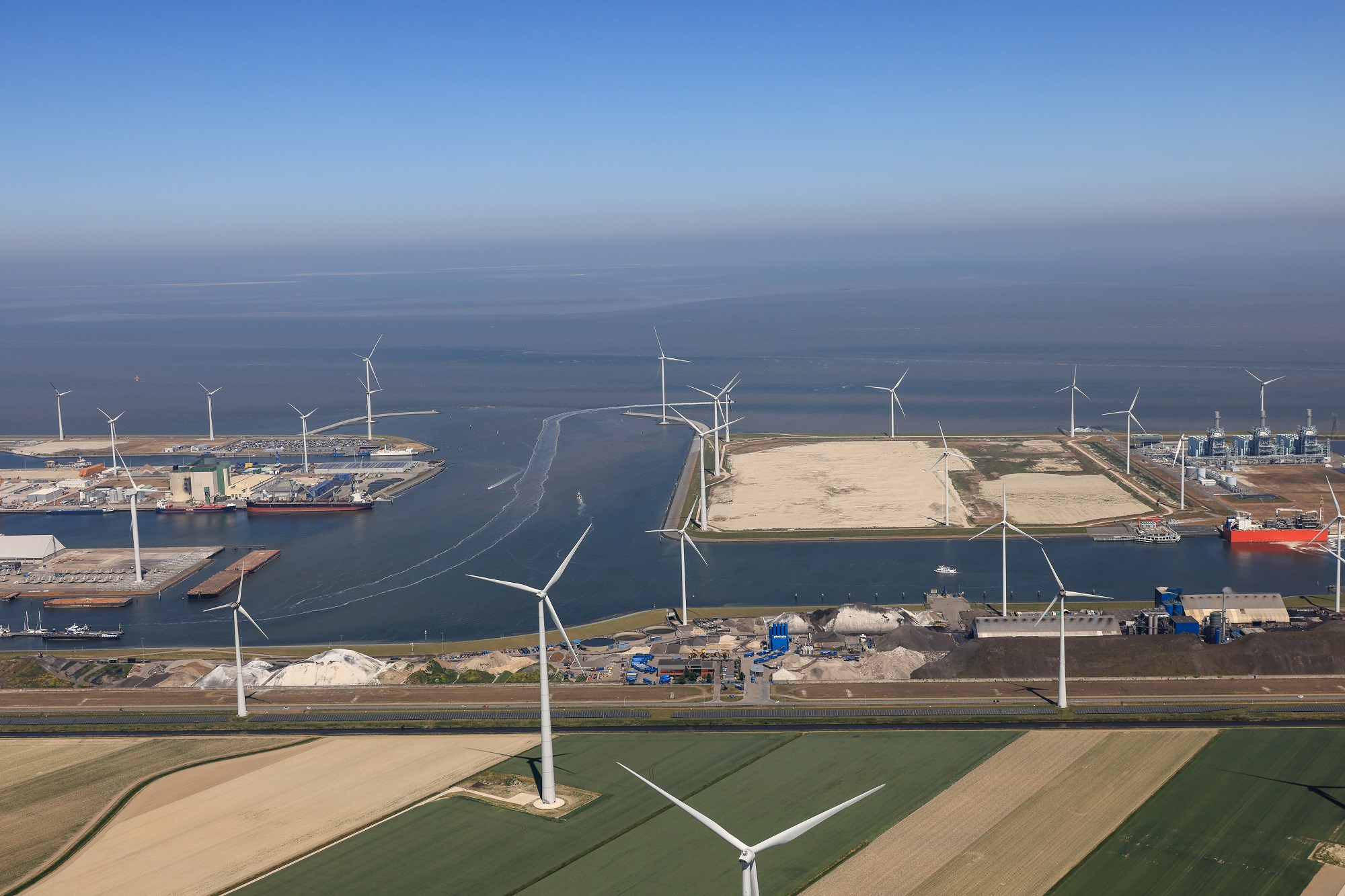
Groningen Seaports takes nature seriously and is involved in or has contributed to many projects. In Eemshaven, a two-hectare ecological strip has been set up, various temporary nature reserves have been established, a special tower has been built for bats, and the Ruidhorn nature compensation area, where countless bird species thrive, has been built. The Ruidhorn nature reserve near Eemshaven is owned by Stichting Natuurcompensatie (Groningen Seaports and RWE) and is managed by Natuurmonumenten. The fifty-hectare area in the Emma and Lauwer polder was created to compensate for the loss of nature in Eemshaven caused by the location of a number of large energy companies and is certainly worth a visit.
Temporary nature
Temporary nature creates a win-win situation for nature and for flexibility when companies locate in the area.
The temporary nature exemption makes it possible for nature to take its course, and compensatory measures will not be prescribed when nature is removed in the future. The main beneficiaries of temporary nature are orchids, bats, and birds from the Wadden Sea. Groningen Seaports has developed a code of conduct to protect the natural values in the port. This code of conduct clarifies to Groningen Seaports and its clients how natural values should be treated.

Sustainable Development Goals
What is new in the EcoPorts report is the link to the Sustainable Development Goals (SDGs). The 17 SDGs of the United Nations are the international point of reference for sustainable development for all countries in the world. Groningen Seaports contributes to 12 of these 17 SDGs with its activities and business operations.
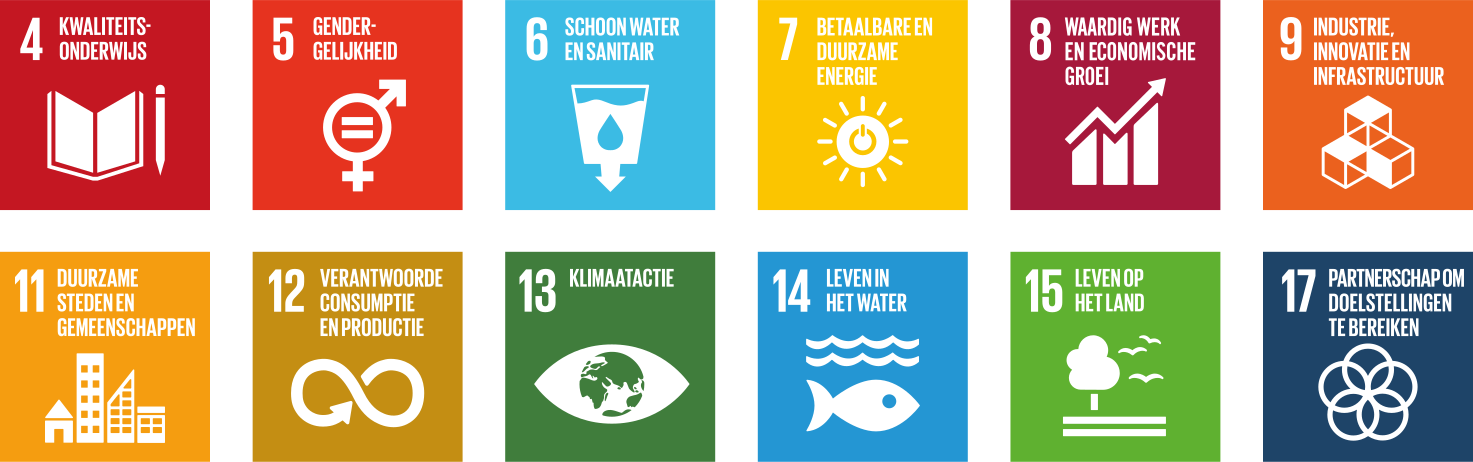
In 2022, we contributed to the SDGs in a number of different ways. The availability of LNG as a result of the new LNG terminal is making an important contribution to SDG 7 (Affordable and clean energy). The new Chemport Innovation Center contributes to SDG 9 (Industry, innovation, and infrastructure). The new Port Waste Plan focuses on the circular use of raw materials, and therefore contributes to SDG 12 (Responsible consumption and production). And the projects we completed last year within the context of the sediment management programme make a contribution to SDG 14 (Life below water). Other SDGs to which we contributed in 2022 are SDG 4 (Quality education), SDG 5 (Gender equality), SDG 6 (Clean water and sanitation), SDG 8 (Decent work and economic growth), SDG 11 (Sustainable cities and communities), SDG 13 (Climate action), SDG 15 (Life on land), and SDG 17 (Partnerships for the goals).
Our green narrative
It goes without saying that the exceptional location on the Wadden Sea World Heritage Site produces plenty of attention to nature in the ports. Groningen Seaports takes nature seriously and is involved in or has contributed to many projects, contributed to nature, or develops activities with attention to nature. The economy and ecology go hand in hand in the Groningen seaports.
That goes a long way to explaining why Groningen Seaports was awarded the prestigious Ecoports certificate for the ninth consecutive time at the end of 2024. To demonstrate this green involvement, we selected 50 sustainable projects that have been completed in and around the ports during the past years. Photos have been selected of those projects, and they have been made dynamic, moving, and alive. They were then linked together in one long ‘loop’ and they tell the green narrative of Groningen Seaports.
Eems-Dollart 2050
Eems-Dollart is a wonderful and rare nature area, the only estuary of the Wadden Sea. One of the last places in the Netherlands where freshwater and saltwater come together, making it a unique habitat for flora and fauna. Eems-Dollart is located alongside important Dutch and German industrial areas. Nature and industry coexist happily as long as there is a healthy balance, which is not the case at the moment. If we don’t act now, this beautiful nature area will be lost!
What is wrong with nature?
Nature in Eems-Dollart is really disrupted. There is too much silt in the water, which is causing a decline in the numbers of fish, birds, and plants. The turbid water also means that fish are unable to move or migrate properly. There are also not enough suitable habitats for birds, fish, and small bottom dwellers that belong to an estuary.
What else is going on?
In recent years, there has been plenty of activity around Eems-Dollart and the Wadden Sea. Eemshaven is transitioning to a national energy port and the chemical industry in Delfzijl is becoming more sustainable. Climate change is causing sea levels to rise, and there is less freshwater for agriculture and industry. Quality of life is also under pressure, due to earthquakes, depopulation, and subsidence.
What are we doing about it?
In the Eems-Dollart 2050 Programme (ED2050), government authorities, nature and environmental organisations, and businesses are working together to strengthen nature, economy, and quality of life. We aim to achieve three goals: less turbid water, more habitats for plants and animals , and dealing with climate change.