You are here: Home | For the local community | History | Eemshaven
History of Eemshaven
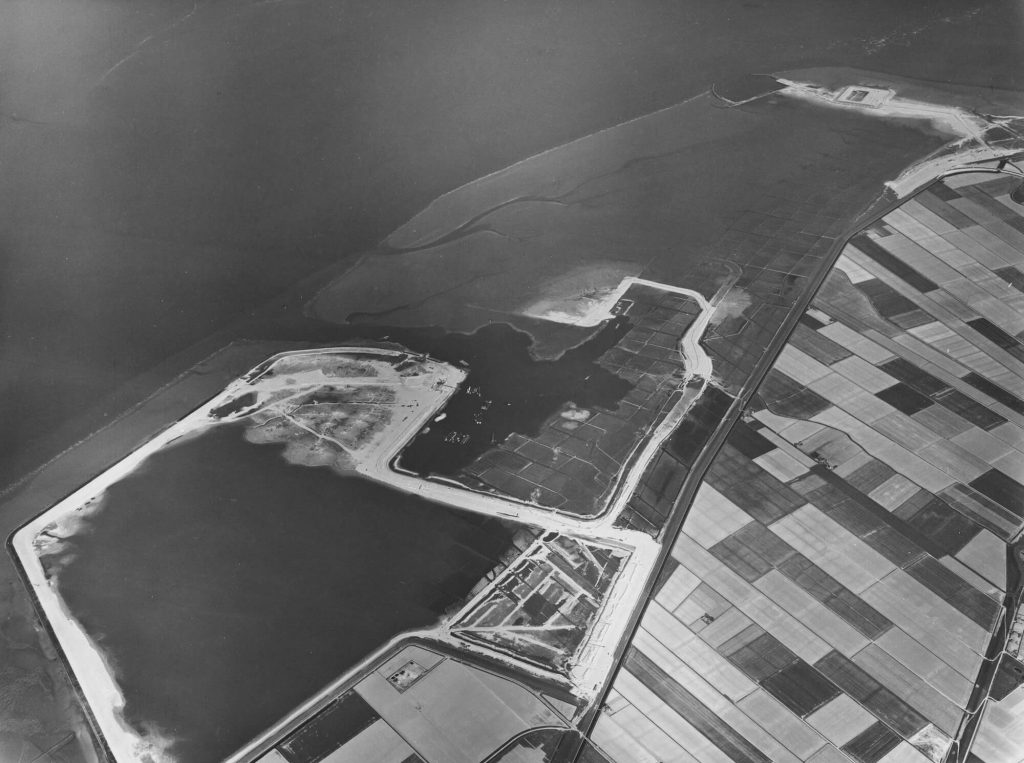
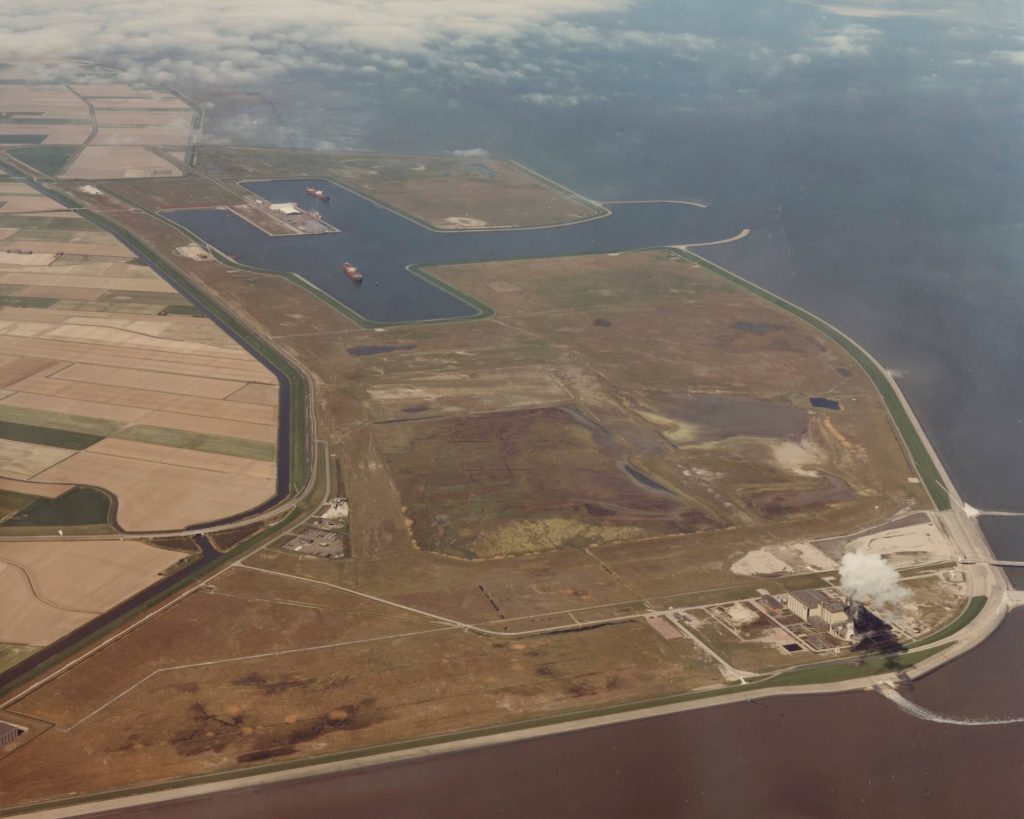
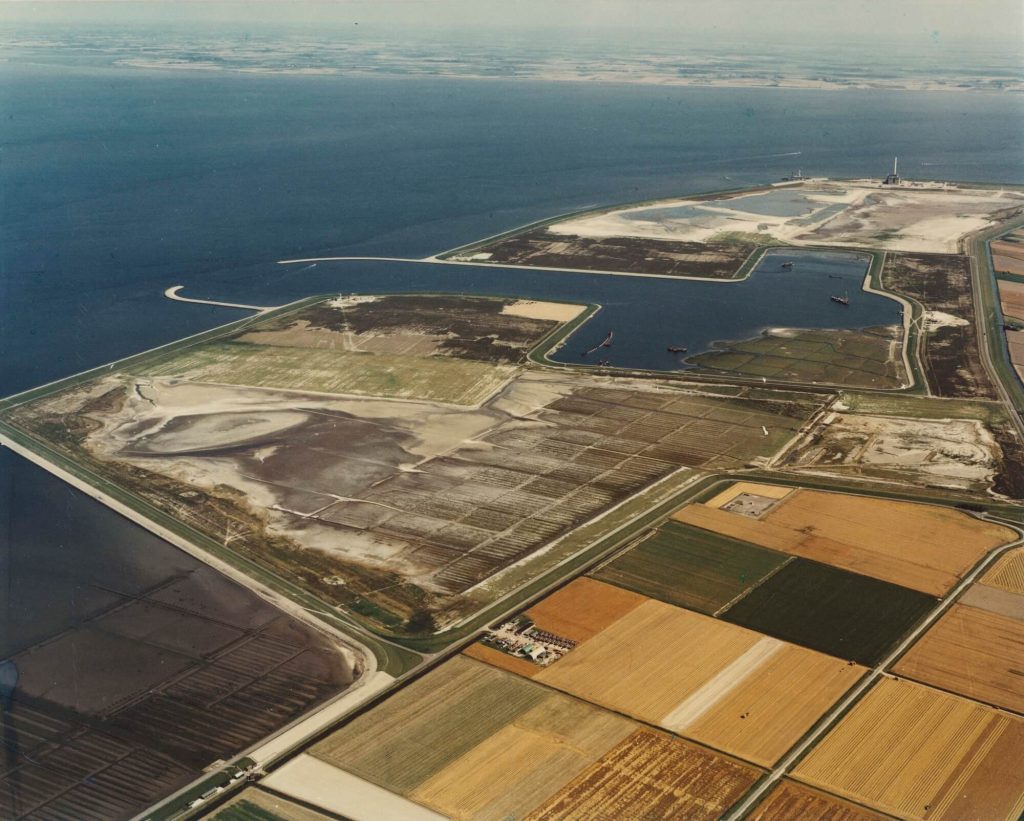
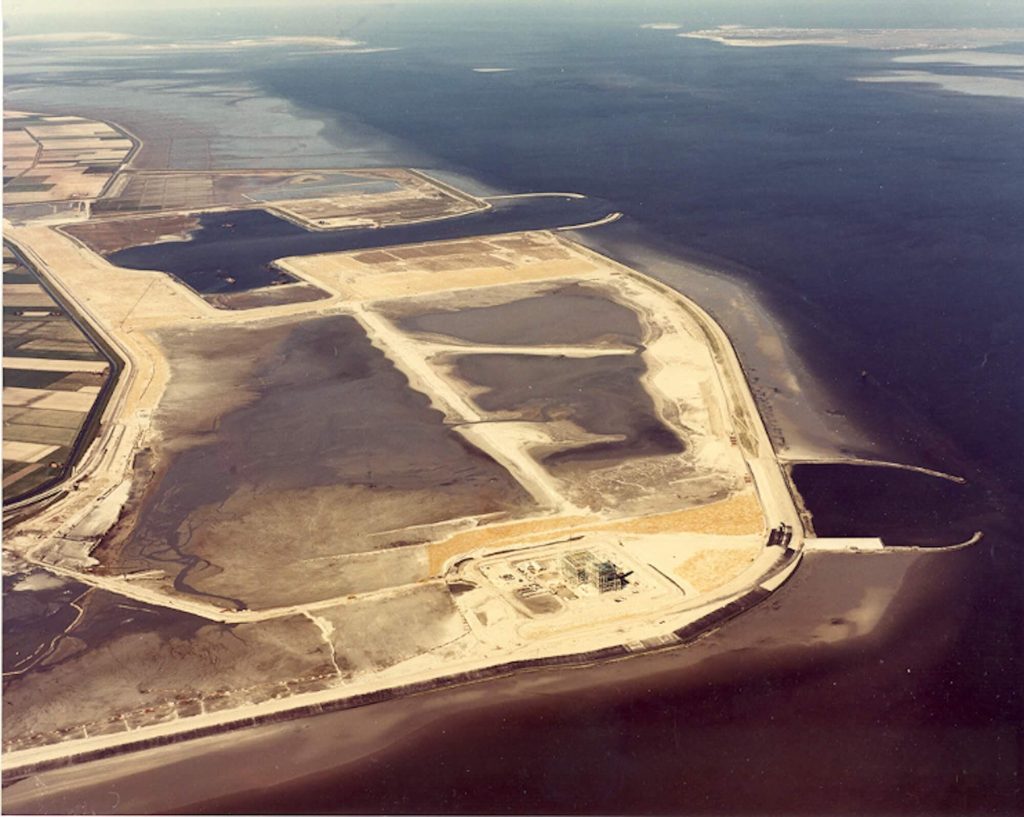
The discovery of salt and natural gas in the province of Groningen in the 1950s led to the creation of an industrial complex, specialised in the base chemical industry, in Delfzijl. This industrial development was also the reason for building Eemshaven in what was then Uithuizermeeden Council, which later became Eemsmond, and is now Het Hogeland.
In the port authority’s annual report 1967, Eemshaven is mentioned for the first time. The founding fathers of the plan to locate the future Eemshaven where you can find it today are the Groningen hydraulic engineers J. van Veen and N. Nanninga. In 1976, Eemshaven welcomed its first client – AG Ems commissioned a site and a jetty along the Doekegat canal for passenger transport to and from the German island of Borkum. That was followed by several more initiatives but ultimately it would take another 30 years before Eemshaven would reach its full potential at the start of this century.
The arrival of a malt factory in 2003 and a recycling company in 2004 brought about a change. Major businesses in their sector who saw massive opportunities in the northern Netherlands, who were not from the region and specifically opted to locate in Eemshaven. That changed the slightly negative image that had dogged the port until then, and the rest is history… The port authority’s new course to invest upfront in port facilities, such as quays, made a major contribution. The port let go of the original idea of a chemical port and transformed into a logistics energy port.
Energy from Eemshaven
Various major logistics service providers already operated there and with a trans-Atlantic data cable, Eemshaven was connected to the United States. Around 100 wind turbines appeared in and around the port, and several solar farms were constructed subsequently. Major energy companies built new power stations, and a submarine high-voltage cable connected the electricity grids of the Netherlands and Norway. Later, a submarine high-voltage connection between the Netherlands and Denmark was added.
In 2009, the first wind farm at sea was built from Eemshaven and these days the port has become one of the most important offshore wind ports on the North Sea. Eemshaven is also the dedicated maintenance base for a number of wind farms. A tank terminal with global operations selected Eemshaven as a location for an oil terminal, and since 2022 the port also has an LNG terminal. All in all, around a third of all the energy that is produced in the Netherlands comes from Eemshaven. With an installed capacity of 8000 MW, nothing short of an energy port of note, the port has become attractive to major energy consumers, such as data centres. Eemshaven is expected to play a prominent role in future developments in energy, such as hydrogen.
50 Years of Eemshaven
Groningen Seaports believes it is essential that this history is not forgotten. On Wednesday 7 June 2023, it was fifty years since the opening of Eemshaven by the then Queen Juliana. To honour the event, an Eemshaven Open Day was held on Saturday 10 June, when Groningen Seaports and a large number of businesses from Eemshaven organised a range of activities for young and old. The Open Day had a wide-ranging programme with bus tours, boat trips, and various company presentations. A retrospective of this wonderful day, combined with historical facts and stories, has been turned into a website.